Skip to content
21 heads

21 Heads

The Crypto Hall of Fame

  • About the Artist
  • Suggest a Pioneer!
  • How Does it Work?
  • David Chaum
  • Nick Szabo
  • Wei Dai
  • Adam Back
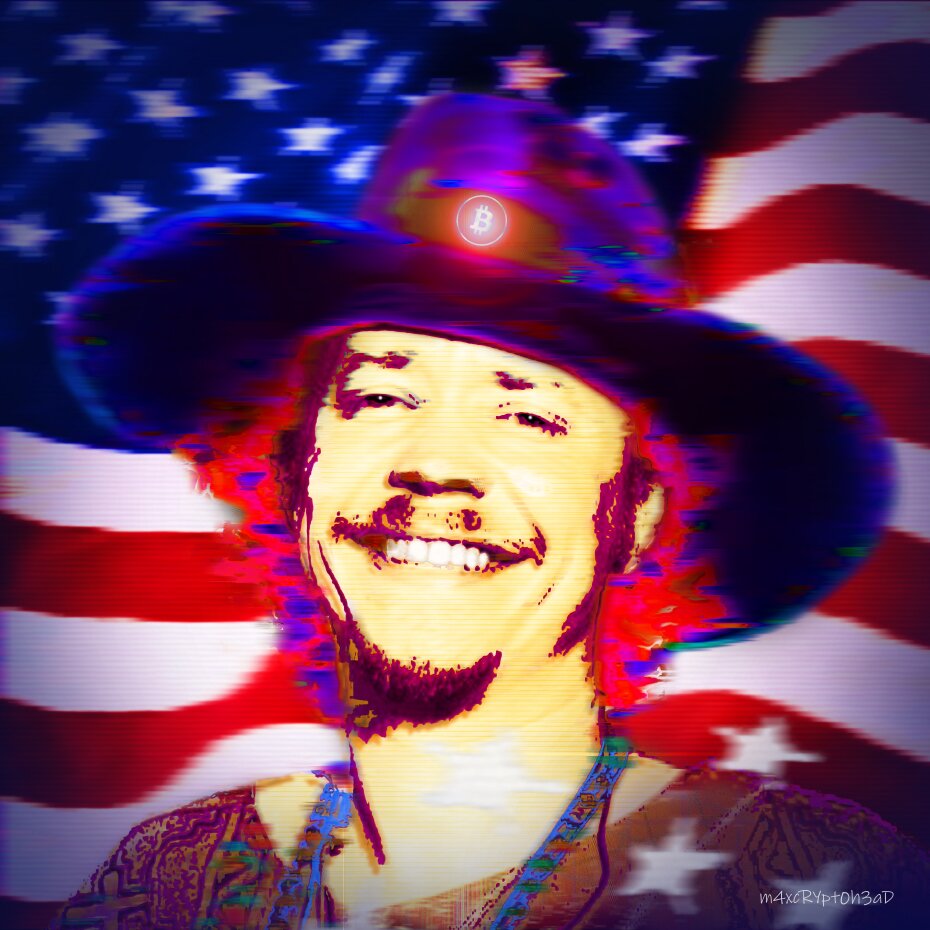
  • Satoshi Nakamoto
  • Hal Finney
  • Laszlo Hanyecz

21heads.com_Phase2

21 heads
Portraits of Crypto Pioneers by Max Cryptohead
Satoshi Nakamoto
Satoshi Nakamoto
David Chaum
David Chaum
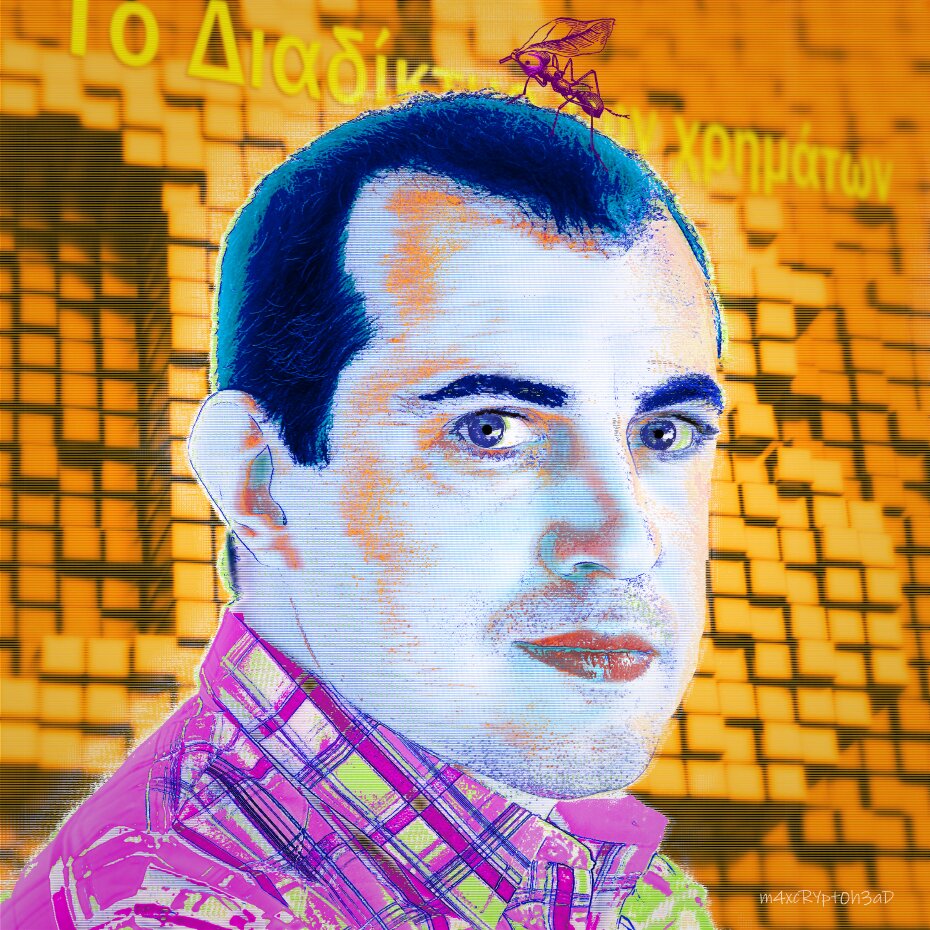
Nick Szabo
Nick Szabo
Adam Back
Adam Back
https://21heads.com/wei-dai
Wei Dai
https://21heads.com/hal-finney
Hal Finney
https://21heads.com/laszlo-hanyecz
Laszlo Hanyecz
Brock Pierce
Andreas Antonopoulos
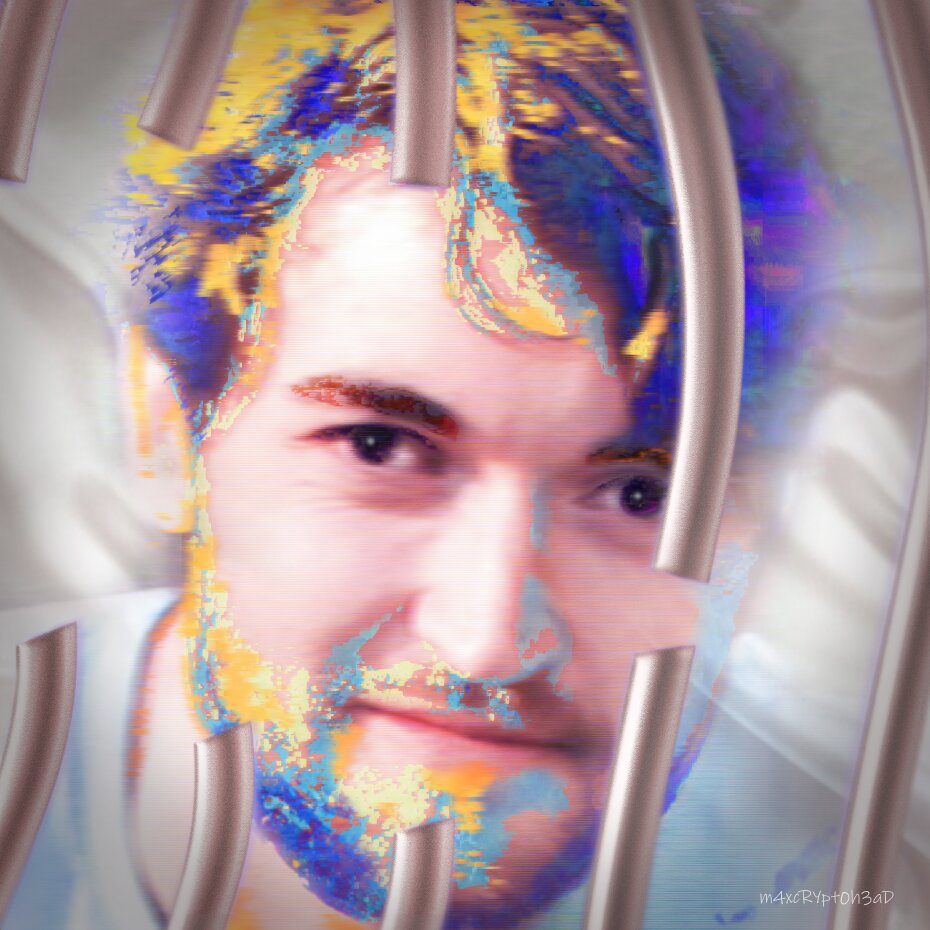
Ross Ulbricht
Vitalik Buterin
Diego Gutiérrez Zaldívar

Get our Newsletter!

Thank you for subscribing to our newsletter.

Something went wrong.

  • How Does it Work?
  • About the Artist
  • Suggest a Pioneer!
  • Exhibitions
  • 3D Gallery
  • Videos
  • Press
  • Betpremier betting analysis

The Evolution of Wagering: From Ancient Dice to Digital Domains

As a dedicated analyst within the iGaming sector, representing the distinguished platform casino-sportuna.com, I consistently observe a fascinating narrative underpinning our industry. This narrative is not merely about games of chance but is fundamentally a chronicle of human innovation, social interaction, and technological adaptation. The journey from rudimentary tools to sophisticated digital ecosystems reveals much about our enduring fascination with risk and reward.

To comprehend the present state and anticipate future trajectories of online casinos, one must first appreciate the profound historical context from which they emerged. This exploration is not an academic exercise; it provides critical insights into player psychology, regulatory frameworks, and the very design of contemporary gaming experiences. The past informs every algorithmic decision and user interface choice made by modern operators.

Therefore, this examination will delineate the pivotal epochs in the development of gambling practices. We shall trace a path from its earliest documented origins, through transformative mechanical and social innovations, to the digital revolution that has culminated in today's secure, immersive, and globally accessible platforms. Understanding this evolution is essential for any discerning participant or observer of the current gaming landscape.

Antiquity and Early Foundations of Gaming

The inception of wagering activities is deeply embedded in the earliest civilizations, with archaeological evidence suggesting its presence across diverse cultures. Artifacts from ancient Mesopotamia, Egypt, China, and Rome indicate that games involving chance were not merely pastimes but were often intertwined with ritual, divination, and social stratification. The discovery of astragali, or knucklebones, used in a primitive form of dice, underscores a universal human inclination towards probabilistic outcomes. These activities were governed by simple mechanics yet reflected complex societal structures and beliefs about fortune and fate.

During this extensive period, the fundamental concepts of randomness, stake, and prize were established. While the tools were elementary—marked sticks, painted stones, or carved bones—the underlying principles mirrored modern gambling's core. Notably, the absence of dedicated venues meant such pursuits were integrated into daily life and religious ceremonies. This integration highlights a primordial connection between chance-based games and broader cultural practices, a relationship that has evolved but persists in various forms today, setting a foundational precedent for all subsequent developments in the field.

The Institutionalization and Mechanization of Chance

A significant transformation occurred with the formalization of gambling houses and the invention of pivotal apparatus in Europe between the 17th and 19th centuries. The establishment of sanctioned venues, such as the Ridotto in Venice, represented a shift towards regulated, commercial wagering environments. This institutionalization created dedicated spaces for these activities, separating them from communal settings and introducing early forms of oversight and house advantage, concepts paramount to contemporary casino operations.

Concurrently, this era witnessed remarkable mechanical innovation. The creation of the Roulette wheel and the refinement of playing card designs standardized games, increasing their accessibility and appeal. These inventions introduced more complex probability structures and diversified gaming options. The mechanization of chance during this period laid the essential groundwork for the systematic, mass-scale entertainment model that would define the future industry, moving beyond informal pastimes towards a structured entertainment sector.

The Twentieth Century: Regulation and the Casino Destination

The modern concept of the integrated casino resort emerged powerfully in the 20th century, most notably with the development of Las Vegas and later, Macau. This model transformed gambling from a standalone activity into a comprehensive entertainment experience, incorporating hospitality, dining, and performance. Jurisdictions began enacting detailed regulatory frameworks to control licensing, operations, and taxation, striving to balance economic benefit with social responsibility. This period cemented the casino's image as a legitimate, though complex, component of tourism and urban development.

Furthermore, technological progress within this century introduced electronic gaming machines, which revolutionized the player experience through automated outcomes and engaging visual displays. These devices represented the first major step towards digitizing chance, increasing gameplay speed, and enabling more sophisticated game mathematics. The regulatory battles and the rise of destination gaming during these decades created the commercial and legal templates that would later be adapted—and challenged—by the advent of the internet, shaping the industry's operational ethos.

The Digital Revolution and the Online Ecosystem

The advent of the internet precipitated the most radical shift in the history of wagering: the dematerialization of the casino. The mid-1990s saw the launch of the first online platforms, which dismantled geographical and temporal barriers to access. This transition was not merely a change of medium; it necessitated the development of entirely new technologies, including secure digital payment processing, random number generator (RNG) certification, and sophisticated customer relationship management systems. The virtual environment demanded unprecedented levels of security and fairness verification to establish trust with a remote clientele.

Today's leading online casinos, including our own platform, represent the apex of this evolutionary arc. We leverage cutting-edge technologies like live dealer streaming to bridge the virtual and physical, employ advanced encryption for financial safety, and utilize data analytics for personalized user engagement. The contemporary digital domain offers a vast, secure, and dynamic array of options that would be inconceivable to our predecessors holding astragali. This evolution continues at a rapid pace, driven by mobile technology, cryptocurrency integration, and a constant pursuit of immersive, responsible entertainment for a global audience.

© 2026 21 Heads | All Rights Reserved.